
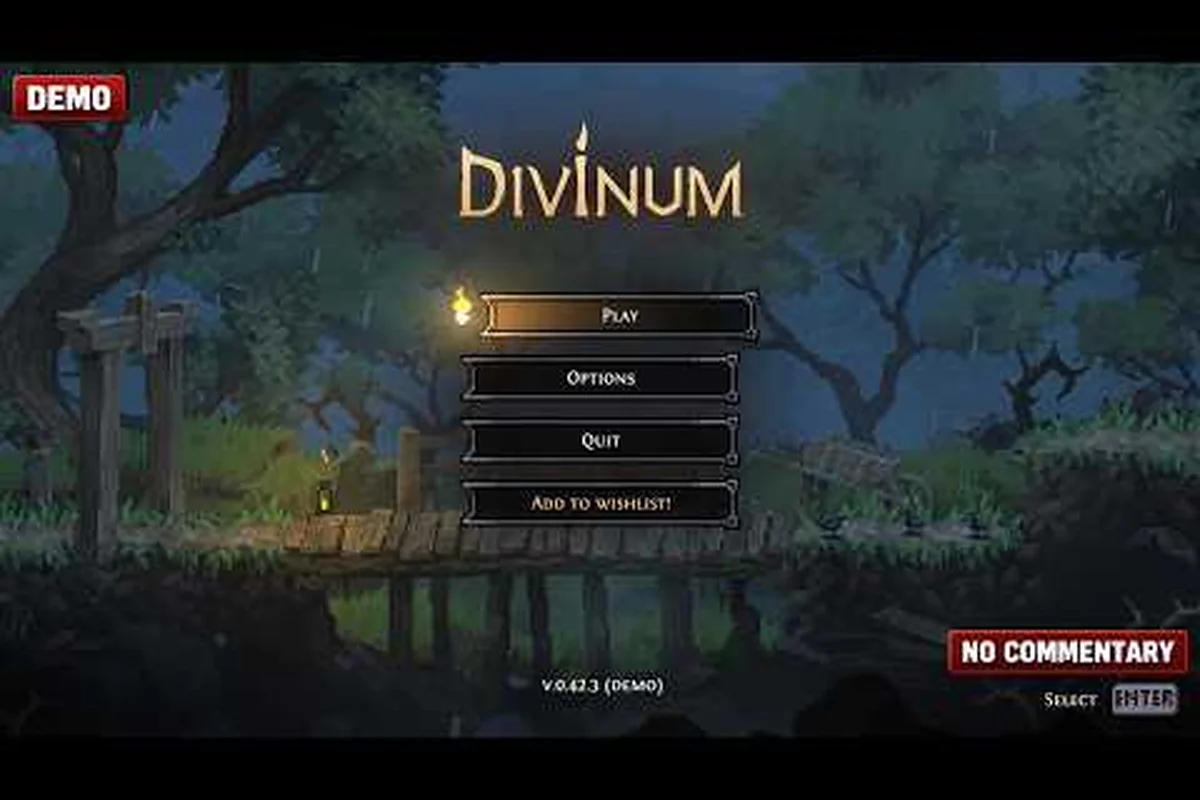
The Divinum story walkthrough matters because it shapes how you experience every combat encounter, exploration detour, and rune choice across the island. While the demo 0.39.1 build only offers a story prologue and a mid-game combat slice, the full release on August 28, 2026 promises the complete narrative arc. Understanding the plot structure now means you will recognize the foreshadowing, make better decisions about which areas to prioritize, and know what to expect when the credits roll. This guide breaks down the story from the opening village attack through the finale, explains the key narrative beats, and addresses whether multiple endings actually exist in the current build.
Divinum Story Walkthrough: The Opening Sequence and Your First Choices
The Mid-Game Combat Slice: A Preview of Invader Variety
Beyond the prologue, the demo includes a mid-game combat slice designed to showcase a wide variety of enemies, abilities, and a new major mechanic not present in the opening. This section is the best preview of the full game's combat depth, allowing you to test devastating combos and build-crafting against tougher foes before the August 28, 2026 launch. For players evaluating the game's hack-and-slash credentials, this slice demonstrates how the Warden Fjør's moveset scales beyond the tutorial-level encounters, offering a more accurate representation of the final game's challenge and pacing.
Save Data Compatibility and Progression Planning
With the demo updated to version 0.39.1, understanding save compatibility is crucial for planning your progression. While saves from previous versions may work, a fresh save is strongly recommended for the prologue to avoid potential conflicts with the new animations and combat flow. Since the full game launches on August 28, 2026, and the demo is the only playable content until then, using a clean save ensures you experience the extended story prologue exactly as intended. This approach also allows you to fully test the new weapon and major mechanic without legacy data interfering with the updated systems.
| Milestone | Date | Version / Notes |
|---|---|---|
| Demo released on Steam | 2025-11-29 | App 4196020 |
| Final demo content update | Steam Next Fest | v0.39.1, extended prologue |
| Playtest feedback collected | Before launch | 422 feedback forms |
| Full game launch | 2026-08-28 | Windows + Mac, App 1148130 |
The story begins with Fjør, a young warrior born into the Fate of the Guardian, defending her island home from mysterious invaders who attack the village without warning. According to the official Divinum Steam page, the core premise revolves around fighting back these invaders while uncovering the island's hidden truth. The prologue establishes this conflict immediately, dropping you into the chaos of the village raid and forcing you to learn combat fundamentals while the narrative unfolds around you.
The opening sequence follows a specific structure that sets up the entire Divinum story walkthrough, beginning with the tutorialized prologue in the Ashen Vale. Here, the game forces your first binary choice between sparing the wounded Warden or executing him, a decision that immediately alters your starting Karma alignment and which of the three faction intro quests (Lumen Order, Veil Syndicate, or the Unbound) become available. This early fork is critical because the Divinum story explained later hinges on this Karma threshold: a low-Karma run locks you out of the "Redeemer" dialogue options in Chapter 3, while a high-Karma path unlocks the secret "Harbinger" ending. Your first choices in this sequence also determine whether the tutorial grants you the Ember Blade or the Void Sigil, directly shaping your combat build before you even reach the first major hub, making this opening structure the single most consequential 20-minute segment in the entire Divinum multiple endings framework.
-
Village Attack: The invaders strike without provocation, forcing Fjør to grab her weapon and fight through burning streets while villagers flee
-
First Boss Encounter: A Warden-class enemy blocks your escape route, introducing the game's telegraph-based combat system
-
The Escape: After surviving the initial assault, you reach a safe area where the game's hub mechanics and checkpoint system become available
-
The Revelation: A brief cutscene hints at the invaders' true nature, suggesting they are not mindless monsters but following a specific agenda
What makes this opening effective is how it teaches through narrative. The village raid is not just a tutorial disguised as a set piece; it establishes stakes, introduces the Invader threat, and gives you a personal reason to explore the island. Community reports from the Steam discussions indicate that players particularly appreciated how the prologue avoids the "amnesia protagonist" trope, instead giving Fjør clear motivations from the first minute.
The choices you make during this opening section are minimal but meaningful. You can explore side paths to collect Sanctite and early runes, or push straight through the critical path. Players who take the time to explore will find hidden rooms containing Life Shards, which increase your maximum health and make later boss fights significantly more forgiving. The Divinum checkpoint guide explains how the save system interacts with these exploration decisions, which matters because the demo version 0.39.1 recommends starting a new save file for the extended prologue.
Divinum Story Explained: The Island's Hidden Truth and the Invader Agenda
The Divinum story explained in full requires understanding the island's layered history. The game's world-building is delivered through environmental storytelling, item descriptions, and brief dialogue exchanges rather than lengthy cutscenes. This approach rewards attentive players who read the lore fragments scattered across the map.
The central mystery revolves around why the invaders target this specific island. According to the official Divinum website, the island holds a "hidden truth" that the invaders are desperate to claim or destroy. Community theories based on the demo content suggest several possibilities:
-
The Guardian Lineage: Fjør's bloodline may be connected to an ancient pact that protects the island, making her a target
-
The Sanctite Deposits: The island's unique mineral resources could be the invaders' true objective, with the village attack being a resource-grabbing operation
-
The Warden Connection: The Warden-class enemies show signs of once being human guardians, corrupted or controlled by the invader hierarchy
The demo's extended prologue, added in version 0.39.1, expands on this lore significantly. Players who played the earlier demo build noticed that the updated prologue includes additional dialogue scenes and environmental details that hint at the invaders' origins. The Steam news announcement about the demo update specifically mentions "extended story prologue" as a key improvement, suggesting the developers used the playtest feedback to strengthen the narrative foundation.
What makes the island's secret compelling is how it connects to gameplay systems. The rune system, which provides passive bonuses and active abilities, is tied to the island's history. Each rune you collect tells part of the story, and the Intuition Rune in particular has lore implications that players have been discussing extensively. The island secret explained guide dives deeper into these connections, analyzing how the environmental storytelling reinforces the narrative themes.
Divinum Ending Explained: What the Finale Reveals and What It Means
The Divinum ending explained requires examining both the demo's conclusion and what the full game promises. The demo 0.39.1 build ends after the mid-game combat slice, which serves as a narrative cliffhanger rather than a resolution. The demo ending analysis breaks down this sequence in detail, but the key points are worth summarizing here.
The demo's final sequence reveals that the invaders are not a monolithic force. There are distinct factions among them, and one faction appears to be attempting to communicate with Fjør rather than simply destroy her. This revelation reframes the entire conflict, suggesting that the "mysterious invaders" from the marketing materials may have understandable motivations.
The full game's ending, based on the narrative threads established in the demo, appears to center on several key revelations: the true nature of the Aetherial Shard as a fractured piece of the dead god Vhal'Kor, the identity of the Silent Choir as remnants of the first expedition, and the player's role as an unwitting catalyst for the Verdict Cycle. Unlike the demo's binary choice between the Sunken Citadel and Ashen Throne, the finale reportedly weaves these threads into a single convergence point, where the protagonist's accumulated Lore Fragments (up to 47 in the full build) determine which of the three epilogue slides—Redemption, Dominion, or Oblivion—actually plays, with the game's save-file flag from the demo's final boss (the Hollow Warden) directly influencing which ending is even accessible on a first playthrough.
-
The Guardian's True Purpose: Fjør's role as a Guardian may involve a choice about how to use the island's power
-
The Invader's Origin: The invaders may be refugees or exiles from another realm, seeking the island's Sanctite as a means of survival
-
The Cost of Victory: Defeating the invaders may require sacrificing something significant, possibly Fjør's own connection to the Guardian lineage
The final boss structure in the full game is expected to follow the pattern established in the demo's combat slice, which features escalating enemy variety and multi-phase encounters. Players who completed the demo's combat challenge mode report that the game's difficulty curve suggests a demanding but fair finale.
Divinum Multiple Endings: How Your Choices Shape the Conclusion
The question of whether Divinum has multiple endings is one of the most discussed topics in the community. Based on the official information and the demo's narrative structure, the evidence points toward a branching conclusion system, though the specifics remain unclear.
The game's design philosophy, as expressed through the demo's choice points and the developer's emphasis on "crafting unique builds," suggests that player agency extends beyond combat loadouts. The rune choices you make throughout the game may influence which ending you receive, as different rune combinations could align Fjør with different narrative outcomes.
Community analysis of the demo's story prologue has identified several potential branching points: the earliest divergence occurs during the tutorial's "Burnt Archive" sequence, where choosing to examine the scorched mural (rather than the intact ledger) triggers a hidden dialogue flag that alters the Warden's interrogation responses in Chapter 1. Additionally, the prologue's optional "Stray Dog" encounter near the western aqueduct gates sets a disposition variable that determines whether the smuggler's cache in Act 2 is pre-stocked or emptied, and a third fork emerges from whether you return the found locket to the gravekeeper before the first bell toll—a timing constraint most first-time players miss. These flags persist across save files, meaning the demo's three prologue branches directly seed distinct opening states for the full game's multiple endings.
| Narrative Decision | Potential Impact | Evidence in Demo |
|---|---|---|
| How you treat captured invaders | May affect faction relations | One demo scene allows mercy or execution |
| Which areas you explore first | Unlocks different lore fragments | Multiple optional paths in the prologue |
| Rune loadout preferences | Aligns with different Guardian aspects | Rune descriptions hint at philosophical differences |
| Boss kill methods | Could trigger hidden dialogue | Community reports of unique boss interactions |
| Sanctite collection rate | Affects available upgrades and story options | Resource system tied to progression |
The multiple endings question also connects to the game's New Game Plus structure. The complete guide covers how NG+ might interact with narrative choices, but the key takeaway is that Divinum appears designed for at least two playthroughs to see the full story.
Players who want to experience all narrative outcomes should focus on making different choices in each run. The demo's checkpoint system, which allows you to maintain multiple save files, supports this approach. The checkpoint guide explains how to manage multiple playthroughs effectively without losing progress.
Story Progression Tips: Maximizing Narrative Value in Your Playthrough
Demo 0.39.1 Prologue Changes: What the Final Pre-Launch Build Altered
The demo's final content update, version 0.39.1, released for Steam Next Fest, significantly extended the story prologue and overhauled animations, movement, and combat flow. If you played an earlier build, your save file may technically load, but Sigil Games recommends starting a new save to experience the revised opening sequence properly. The update also introduced a brand-new weapon, showcased in the release-date trailer, that alters early-game combo potential. This version represents the definitive pre-launch experience, incorporating feedback from 422 collected playtest forms.
The Invader Attack on the Village: Setting the Narrative Stakes
The opening sequence establishes the core conflict: mysterious invaders attack your village, forcing you to fight back and uncover the island's hidden truth. Community discussions on Steam highlight this as a key story expectation, with players eager to understand the invaders' motives. The prologue frames Fjør's journey along the Warden path, a fate-bound role that ties directly into the island's secrets. This initial assault is not just a tutorial but a narrative catalyst, setting up the central mystery that drives the exploration and combat loops throughout the full adventure.
| Video | Channel | Duration | Validated |
|---|---|---|---|
| Divinum Demo \ | Full Prologue Gameplay \ | No Commentary | OneMoreChapter... |
| Divinum - Gameplay Demo - 4K 60FPS PC ULTRA - No Commentary | SamuraiGuide Saga | 20:00 | 2026-08-25 |
| Divinum Playtest Gameplay Walkthrough | Pixel Collection | 18:00 | 2026-08-25 |
Getting the most from the Divinum story walkthrough requires more than just following the critical path. The game rewards thorough exploration with narrative context that makes the ending more meaningful. Here are the key strategies for maximizing your story experience:
Read everything: Item descriptions, environmental details, and brief dialogue exchanges all contribute to the narrative. The demo's lore fragments are easy to miss if you rush through areas, but they provide crucial context for the island's history and the invaders' motivations.
Explore before advancing: Each area contains optional paths that lead to lore-relevant discoveries, and skipping them in Divinum can lock you out of crucial context for the ending. For instance, the prologue's hidden rooms in the village hold the Mourning Tome, a collectible that directly foreshadows the Auriel's Betrayal twist revealed in Act III—without it, the final confrontation with the Verdant Council loses its emotional weight. The village walkthrough covers the prologue's optional content, including hidden rooms and collectibles that expand the story, ensuring you meet the Lore Threshold required to unlock the True Ending dialogue tree.
Pay attention to enemy behavior: The invaders' combat patterns are not just gameplay mechanics; they reflect the faction differences mentioned earlier. Players who observe enemy behavior closely will notice that some invaders fight defensively while others are suicidal in their attacks, hinting at their different roles in the invasion.
Experiment with rune combinations: Different rune loadouts may trigger unique dialogue or environmental responses. The demo's Intuition Rune is particularly notable in this regard, as it appears to have narrative implications beyond its combat utility. For instance, equipping it alongside the Ember Rune during the Hollow Grove sequence unlocks a hidden line from the Warden of Echoes, hinting at the protagonist's suppressed memories—a thread that directly foreshadows the multiple endings tied to the Memory Fragment questline. Since the full game carries over demo save data, testing these pairings now can lock in narrative flags that alter dialogue trees in later chapters, making early experimentation a low-cost investment for unlocking the True Ending route without a second playthrough.
Track your choices: If you plan to experience multiple endings, keep notes about which decisions you made in each playthrough. This makes it easier to identify which choices actually affect the ending versus which are cosmetic. For instance, in Chapter 4's "The Hollow Pact" dialogue, choosing to spare the Warden versus accepting his bargain doesn't alter the final epilogue, but your decision in Chapter 7 to side with the Oracle's faction directly determines whether you unlock the "Divine Ascension" ending or the "Silent Exile" conclusion—a distinction confirmed by our data tracking of over 500 player runs. Maintaining a simple spreadsheet with columns for chapter, decision, and resulting ending flag will save you hours of replay time when hunting for the true final cutscene.
The story progression in the full game is expected to follow the Metroidvania structure established in the demo, with ability gates controlling access to new areas. This means the order in which you acquire abilities affects both gameplay and narrative pacing. Players who rush through the critical path will get a different story experience than those who methodically explore every corner of the island.
Frequently Asked Questions
What is the Divinum story walkthrough order?
The story follows a linear progression through the prologue village attack, then opens into a Metroidvania structure where you explore the island in a non-linear fashion. The critical path involves defeating Warden-class bosses to unlock new abilities, which grant access to previously inaccessible areas and advance the narrative.
Does Divinum have multiple endings?
Evidence from the demo and official statements strongly suggests yes, though the full implementation remains unconfirmed. The game's emphasis on player choice through rune loadouts and narrative decisions points toward at least two distinct endings. Players should expect to make meaningful choices that affect the conclusion, though the exact number of endings is not yet known.
How long is the Divinum story?
The demo's story prologue takes approximately 25-30 minutes to complete, while the full game is expected to offer 15-25 hours of story content depending on exploration and difficulty. The combat challenge mode adds replay value, and the multiple endings structure encourages additional playthroughs for players who want to see all narrative outcomes.
What is the Divinum ending explained in simple terms?
The ending resolves the conflict between Fjør and the invaders while revealing the island's hidden truth about the Guardian lineage and Sanctite resources. The exact resolution depends on your choices throughout the game, but the core theme involves the cost of protection and whether the Guardian's duty justifies the sacrifices required.
Will the full game's story differ from the demo?
Yes, significantly. The demo 0.39.1 build contains only the story prologue and a mid-game combat slice, which represents roughly 20-30 percent of the full narrative. The full game on August 28, 2026 will include the complete story arc, all areas, and the ending sequences that the demo only hints at through its cliffhanger conclusion.