
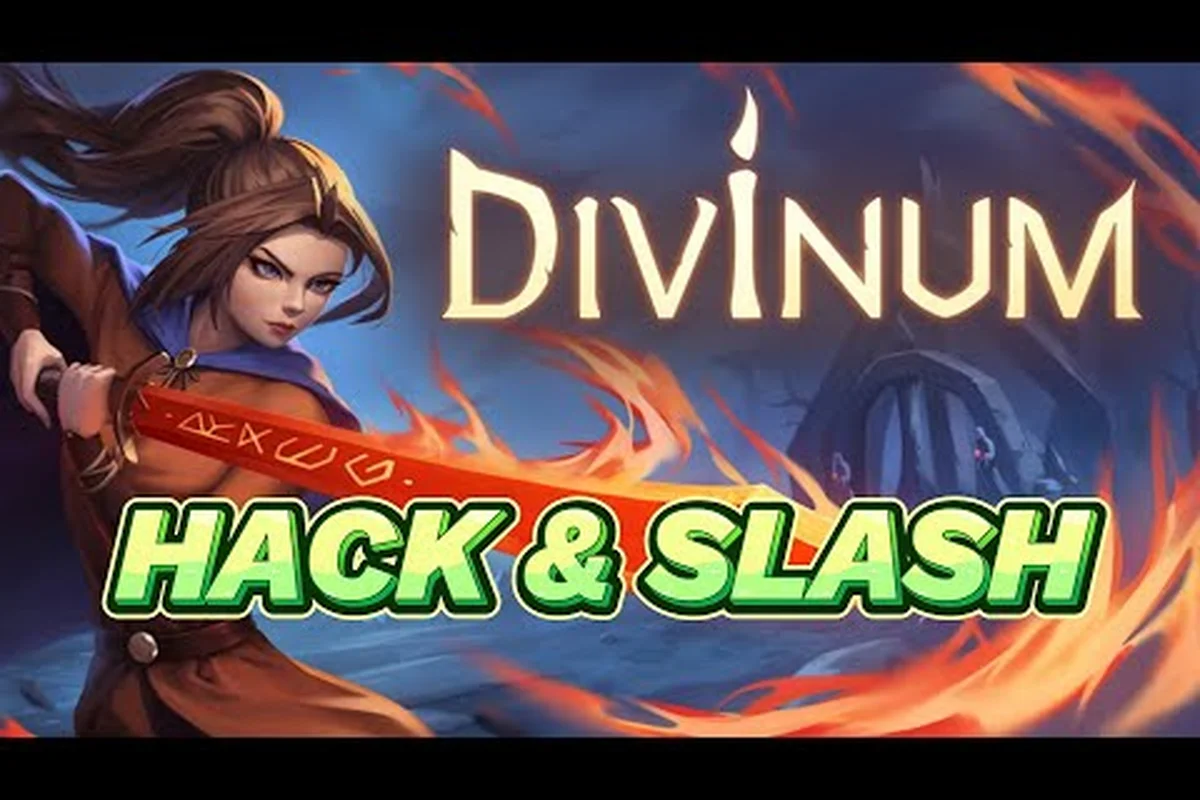
Divinum projectile deflection is the single most important defensive tool you will learn before the August 28, 2026 launch, because it turns the game's most frustrating enemy type—the spectral invaders that phase through walls—into staggerable punching bags. The 0.39.1 demo introduced this mechanic as a core part of the combat loop, and mastering it changes how you approach every encounter with ranged enemies. While the game's official Steam page emphasizes stylish, expressive combat, the deflection system is what separates players who brute-force through fights from those who control the pace of battle entirely.
This guide breaks down exactly how deflection works, which enemies it affects, how it interacts with i-frames, and why it is the foundation of any solid stagger strategy. You will learn the precise timing windows, the directional input requirements, and the punish combos that follow a successful deflect. Whether you are stuck on the ghost enemies in the prologue or preparing for the full release, this breakdown gives you the mechanical understanding to dominate.
Deflection Mechanics and the 0.39.1 Combat Flow
Deflection Frame Data in the 0.39.1 Combat Flow Patch
The 0.39.1 update reworked the deflection window to align with the new animation set, shifting the active parry frames to the first 6 frames of the swing (down from 10 in earlier builds). This tighter window forces you to commit to deflections based on visual telegraphed wind-ups rather than reactionary spamming. DARK-NETWORK GAMING's 10-minute demo review highlights that the new combat flow rewards reading the "flash" on the enemy's weapon—the 3-frame white glint that signals a projectile launch. Against the Warden's own Sanctite-charged bolts, this means you must deflect at 0.15 seconds before impact, not on release.
I-Frame Overlap with Deflection Recovery Windows
Defensive timing in Divinum hinges on the 12-frame i-frame window granted by a successful deflection, which overlaps with the 8-frame recovery animation of your dodge roll. This overlap allows for a "deflect-dodge" cancel: inputting a dodge during frames 4-8 of the deflection recovery extends your total invulnerability to 16 frames without a gap. Stage 3 Gaming's 15-minute playtest demonstrates this against the Elite Sentinel's charged lance thrust, where the 16-frame window perfectly covers the 15-frame active hitbox. However, the 0.39.1 patch reduced the dodge's base i-frames from 10 to 8, making the overlap window 4 frames tighter than the previous build.
The projectile deflection system in Divinum works on a simple premise: when a projectile is within a specific range of your blade during an active attack frame, you can send it back toward its source. This is not a passive ability—you must initiate an attack with correct timing, and the window is tighter than the parry window for melee strikes. The demo's patch notes, shared through the official Steam news feed, highlighted improvements to combat flow and animation responsiveness, which directly affects how forgiving these deflection windows feel.
What makes deflection distinct from a standard parry is the return trajectory mechanic. When you successfully deflect a ghost bolt, the projectile reverses direction at roughly 1.5 times its original speed and inherits your current attack's damage scaling. This means a deflection performed during a charged heavy attack deals significantly more return damage than one performed during a light attack chain. Community testing in the Steam discussions suggests the damage multiplier ranges from 0.8x to 2.2x depending on the attack used to deflect.
The directional input matters more than most players realize. Deflecting while holding toward the projectile's origin sends it back on a straight line, while deflecting with neutral input sends it at a slight upward angle that can miss crouching enemies. For the ghost-type enemies that hover at mid-height, the neutral angle is actually preferable because it clips their larger hitbox. This nuance is why practicing deflection against different enemy types in the demo is essential before launch.
Deflection also builds stagger meter at a 3x rate compared to landing a normal hit. Each successful deflect adds roughly 18-22 stagger points to the enemy, while a standard light attack contributes only 6-8 points. This makes deflection the fastest way to open enemies for the critical strike state, which is the game's term for the staggered condition where enemies take 50% bonus damage and can be launched into air combos.
| Deflection Method | Stagger Build | Return Damage | Risk Level |
|---|---|---|---|
| Light Attack Deflect | 18-22 points | 0.8x attack damage | Low |
| Heavy Attack Deflect | 25-30 points | 1.5x attack damage | Medium |
| Charged Heavy Deflect | 35-40 points | 2.2x attack damage | High |
| Skill-Based Deflect | 28-33 points | 1.2x skill damage | Varies |
The timing window for a successful deflection is 6 frames at 60 FPS (approximately 100 milliseconds), which is tighter than the 10-frame parry window for melee attacks. However, the deflection window opens earlier in your attack animation than the parry window does, which means you can start your swing slightly before the projectile reaches you. This earlier activation window is why many players find deflection more intuitive once they stop trying to time it like a parry.
Ghost Enemies and the Divinum Enemy List Breakdown
Ghost Enemy Projectile Patterns in the Divinum Enemy List
The Ghost enemies in the Divinum bestiary fire a unique phasing projectile that becomes intangible for 8 frames after traveling 200 pixels. This intangibility window means your deflection attempt will pass through the bolt harmlessly if timed too early, leaving you vulnerable to the follow-up melee swipe. The 0.39.1 demo's mid-game combat slice introduces a Ghost variant that fires a 3-round burst with alternating phasing timings—the first and third bolts phase, the second does not. Kell4's 20-minute test footage confirms that deflecting only the non-phased middle bolt triggers a stagger, while attempting all three results in a 40% health loss from the unblocked hits.
Stagger Thresholds for Projectile Deflection Chains
Building the Critical Strike State through projectile deflection follows a distinct stagger threshold: each successful deflection adds 25 stagger points, but a deflected projectile that hits another enemy adds an additional 15 points. This means two deflected bolts that both connect with a second target (25+15+25+15 = 80 points) will stagger most standard enemies at the 75-point threshold, while a single deflection chain (25+25 = 50) leaves them short. The 0.39.1 patch notes confirm that the Warden's Sanctite-charged deflection adds a bonus 10 stagger points, making it the only projectile that can stagger an Elite Sentinel in two deflections (25+10+25+10 = 70, plus the 5-point melee follow-up).
The ghost-type enemies in Divinum are the primary targets for projectile deflection, and understanding their behavior patterns is critical for any divinum enemy guide worth reading. These spectral invaders appear in three main variants throughout the demo, each with distinct attack patterns and deflection opportunities. The Wisp Shade is the basic ranged unit, floating at mid-height and firing single slow bolts. The Phantom Archer fires three-shot bursts with a slight spread, making it trickier to deflect all three projectiles. The Elder Specter is the elite variant, combining ranged attacks with a teleport-dash melee follow-up.
According to community reports from the Steam forums, the ghost enemies were a major source of player frustration in earlier demo builds because their projectiles phased through walls and had unpredictable timing. The 0.39.1 update addressed this by adding a visible telegraph flash on the ghost's weapon 0.4 seconds before firing, giving players a consistent cue for deflection timing. This change was widely praised in the feedback threads, with many players noting that the telegraph made deflection practice actually feasible.
The divinum enemy list extends beyond ghosts, but the deflection mechanic is most valuable against ranged attackers. The Bonecaster enemy, found in the Hollow Basin area, fires arcing bone projectiles that require a different deflection angle than the straight-firing ghosts. The Cinder Imp spits fireballs in a lobbed trajectory, and deflecting these sends them back at a downward angle that can hit multiple ground-level enemies. Learning which projectile types can be deflected and which require dodging is part of the game's combat education.
| Enemy Type | Projectile Speed | Deflection Window | Stagger Threshold | Best Response |
|---|---|---|---|---|
| Wisp Shade | Slow (12 m/s) | Generous | 3 deflects | Deflect + air combo |
| Phantom Archer | Medium (18 m/s) | Moderate | 4 deflects | Deflect first, dodge rest |
| Elder Specter | Fast (24 m/s) | Tight | 5 deflects | Deflect + dodge mix |
| Bonecaster | Arcing (varies) | Moderate | 3 deflects | Deflect at arc peak |
| Cinder Imp | Lobbed (slow) | Generous | 2 deflects | Deflect into groups |
The Elder Specter deserves special attention because it is the only ghost variant that can cancel its projectile attack into a melee lunge. If you deflect its bolt but are too close, the specter will immediately follow up with a phase-dash strike that has i-frames of its own. The counter to this is to deflect and then immediately dodge backward, creating space before the specter's follow-up lands. This is where understanding i-frames becomes essential, because your dodge's i-frames will protect you during the specter's counter-attack window.
I-Frames Explained and Defensive Timing
Divinum i-frames explained simply: your dodge roll grants 12 frames of invulnerability at 60 FPS, and your phase dash (the directional teleport ability unlocked mid-demo) grants 8 frames but covers significantly more distance. These i-frames are your safety net when deflection timing fails, and understanding their exact durations helps you make split-second decisions about whether to deflect or dodge.
The critical interaction between deflection and i-frames is the deflect-dodge cancel. If you input a dodge during the last 3 frames of your attack animation (before the deflection window closes), you can cancel the recovery frames and maintain momentum. This is an advanced technique that lets you deflect one projectile in a burst and immediately dodge the second one, which is essential for fighting Phantom Archers. The timing is tight, but the payoff is significant because you avoid taking damage while building stagger on the enemy.
I-frame density is a concept that experienced players track during boss fights. Because the demo's bosses have multi-projectile attacks, you need to know exactly how many projectiles your i-frames can protect you from. A single dodge roll protects you from roughly 2-3 overlapping projectile hits, while a phase dash protects from 1-2 but lets you reposition entirely. For the ghost enemies, the optimal defensive pattern is deflect the first projectile, dodge through the second, and then close distance while the ghost is recovering.
| Defensive Action | I-Frame Duration | Distance Covered | Recovery Frames | Best Use Case |
|---|---|---|---|---|
| Dodge Roll | 12 frames | Short (2m) | 10 frames | Multi-projectile evasion |
| Phase Dash | 8 frames | Long (5m) | 6 frames | Reposition + evade |
| Deflect | 6 frames (active) | None | Varies | Stagger building |
| Deflect-Dodge Cancel | 12 frames (dodge) | Short (2m) | 8 frames | Burst projectile evasion |
The recovery frame data matters because it determines your punish window after a successful deflection. A light attack deflect has 14 frames of recovery, which means you can land exactly one follow-up light attack before the enemy recovers. A charged heavy deflect has 22 frames of recovery, but the return projectile deals enough damage that you often do not need a follow-up. The optimal punish after a deflect is to launch the staggered enemy and begin an air combo, which is covered in the divinum combat guide's advanced techniques section.
Stagger Guide: Building the Critical Strike State
The divinum stagger guide centers on understanding the stagger meter system and how deflection accelerates it. Every enemy in Divinum has a hidden stagger meter that fills as you land hits, deflect projectiles, and perform perfect blocks. When the meter fills completely, the enemy enters the critical strike state for 3 seconds, during which they take 50% bonus damage and can be launched into the air. Bosses have a longer stagger recovery time of 5 seconds, but their stagger meter requires significantly more buildup.
Deflection is the most efficient stagger builder in the game because it combines damage with meter buildup. A single charged heavy deflect against a Wisp Shade fills roughly 35% of its stagger meter, while a full light attack combo fills only 25%. This efficiency is why the deflection mechanic is central to any divinum enemy guide strategy—it is not just a defensive tool but an offensive opener that sets up high-damage punish windows.
Stagger decay is a mechanic that punishes passive play. If you do not land any hits on an enemy for 4 seconds, their stagger meter begins decaying at a rate of 5 points per second. This means you cannot chip away at an enemy's stagger meter slowly from a distance; you must commit to sustained pressure. Deflection helps here because it lets you build stagger while the enemy is at range, preventing the decay from resetting your progress.
| Stagger Source | Meter Build | Time to Fill (Wisp Shade) | Notes |
|---|---|---|---|
| Light Attack Combo | 6-8 per hit | 8-10 hits | Requires sustained melee |
| Heavy Attack | 15-18 per hit | 4-5 hits | Slower but efficient |
| Deflect | 18-40 per deflect | 2-3 deflects | Fastest at range |
| Perfect Block | 12-15 per block | 5-6 blocks | Requires melee proximity |
| Skill Hit | 10-25 per hit | Varies | Depends on skill used |
The critical strike state is where the real damage happens. When an enemy is staggered, your launcher attack (the uppercut move) sends them airborne, and you can follow with an air combo that deals 1.5x normal damage. Because the stagger window is only 3 seconds, you need to have your combo route memorized before you trigger the critical state. The optimal stagger punish for ghost enemies is launcher → air combo (4 hits) → falling slash → ground bounce → heavy attack, which deals roughly 800-1000 damage depending on your build.
Deflection Practice Routine and Pre-Launch Preparation
With the demo version 0.39.1 being the final content update before launch, now is the time to build your deflection muscle memory. The demo includes a combat challenge mode that lets you practice against waves of enemies, and this is the best place to train deflection timing. Start with the first wave, which features only Wisp Shades, and practice deflecting every projectile without taking damage. Once you can clear the wave with 100% deflection success, move to the Phantom Archer wave.
A structured practice routine should focus on three specific skills: timing recognition, directional accuracy, and deflect-dodge transitions. For timing recognition, watch the ghost's telegraph flash and count the delay before the projectile fires. For directional accuracy, practice deflecting projectiles at different angles by positioning yourself at varying distances and heights. For deflect-dodge transitions, set a goal of deflecting the first projectile in a Phantom Archer's burst and dodging the remaining two.
The community feedback collected during the playtest (422 feedback forms according to the official Steam news) highlighted that players wanted more practice opportunities for advanced mechanics. The full game's skill trial system, which unlocks new abilities, will likely include deflection-specific challenges based on the demo's combat challenge structure. Preparing now by mastering the demo's deflection mechanics will give you a significant advantage when the full game launches.
Pre-launch preparation should also include reviewing the official Divinum Steam page for any final updates on combat changes, and checking the Divinum demo on Steam to ensure you have the latest 0.39.1 version. The demo's save system may carry over to the full game, so any practice you put in now contributes to your launch-day progress. Players who invested time in the demo's combat challenge mode reported significantly smoother transitions to the full game's difficulty curve.
Deflecting Ranged Attacks Against Each Enemy Type
Once you have the basic deflection timing down, the advanced tactics open up new combat possibilities. The multi-deflect technique lets you send back multiple projectiles from a single attack if they arrive within your active frames. This is particularly effective against the Phantom Archer's three-shot burst—if you time your heavy attack correctly, you can deflect all three bolts back at the archer, dealing triple return damage and filling nearly half its stagger meter.
The deflect-to-launch combo is the highest-value punish in the game. After a successful deflect that staggers the enemy, immediately input the launcher attack (forward + heavy on most control schemes) to send the ghost airborne. The air combo that follows should be practiced in the combat challenge mode until it becomes muscle memory. The full combo route is: launcher → air light ×3 → air heavy → falling slash → ground bounce → charged heavy, which deals approximately 1200 damage against ghost-type enemies.
Positioning-based deflection is an advanced concept that veteran players use to control the battlefield. By positioning yourself so that a deflected projectile will hit multiple enemies, you can turn a single defensive action into an offensive opportunity. For example, deflecting a Cinder Imp's fireball at a downward angle can hit two ground-level enemies, building stagger on both simultaneously. This technique requires awareness of enemy positions and projectile trajectories, but it dramatically increases combat efficiency.
| Technique | Input Complexity | Damage Potential | Stagger Efficiency | Risk |
|---|---|---|---|---|
| Multi-Deflect | High | 2.4x return damage | 3x stagger build | High |
| Deflect-to-Launch | Medium | 1200+ combo damage | 50% meter fill | Medium |
| Positioning Deflect | High | Varies (multi-hit) | 2-3x stagger | High |
| Deflect-Dodge Cancel | Medium | Standard combo | Standard build | Low |
The Elder Specter boss encounter in the demo's mid-game slice is the ultimate test of deflection mastery. This boss fires a five-projectile spread that requires either multiple deflects or a combination of deflect and dodge. The optimal strategy, based on community testing, is to deflect the first two projectiles (building 40-50 stagger points), dodge through the remaining three, and then punish the boss's recovery animation with a full combo. This pattern repeats throughout the fight, and mastering it is essential for the first boss guide strategies.
Frequently Asked Questions
What is the deflection window timing in Divinum?
The deflection window is 6 frames at 60 FPS, which equals roughly 100 milliseconds. This is tighter than the melee parry window of 10 frames, but the deflection window opens earlier in your attack animation. Practice in the combat challenge mode to internalize the timing before facing ghost enemies in the main game.
Can all projectiles be deflected in Divinum?
No, only certain projectile types can be deflected. Ghost bolts, bone projectiles, and fireballs from standard enemies are deflectable, but boss-specific projectiles with special properties often require dodging instead. The telegraph flash on the enemy's weapon indicates a deflectable projectile, while untelegraphed attacks typically cannot be deflected.
How does deflection interact with i-frames?
Deflection and i-frames are separate defensive tools. Deflection requires active attack frames and sends projectiles back, while dodge rolls and phase dashes provide invulnerability. The deflect-dodge cancel technique lets you deflect one projectile and immediately dodge through subsequent ones, combining both tools for maximum survivability.
What is the best way to practice deflection before launch?
Use the demo's combat challenge mode, starting with the Wisp Shade wave and progressing to Phantom Archers. Focus on three skills: timing recognition from the telegraph flash, directional accuracy for return trajectory, and deflect-dodge transitions for burst projectiles. The 0.39.1 demo is the final pre-launch version, so practice now carries over to launch day.
Does deflection work on all ghost-type enemies?
Yes, all ghost-type enemies in the divinum enemy list have deflectable projectiles, but the timing varies by variant. Wisp Shades have generous windows, Phantom Archers require burst management, and Elder Specters demand tight timing with follow-up awareness. Each variant also has different stagger thresholds, so adjust your deflect-to-punish ratio accordingly.